

Our CO-NELE is professional and large manufacturer since 1993, located in Qingdao, a beautiful coastal city.
Wide Product Range
We mainly produce twin shaft mixer, double screw belt mixer, dry mortar mixer, laboratory mixer, asphalt mixer, continuous mixer, concrete batching plant, dry mortar mixing plant, fly ash solidification mixing plant and other series of equipments, etc.
Wide Range of Applications
Our products are widely used in various road construction projects, including highways, urban arterial roads, airport runways, port and wharf roads, etc.
Advanced Equipment
We have professional production equipment such as Austrian IGM welding robot, PENTALASER 12000W laser cutting equipment, Japan FANUC welding robot, CNC vertical lathe, Fully automatic shot blasting and paint baking room, Digital workshop
Products Sell Well
We export to more than 80 countries like Germany, America, England, Indonesia, Thailand, Vietnam, Russia, Belarus, Brazil, South Africa, Algeria, Nigeria, Australia, UAE, Saudi Arabia, etc.


Advantages of Asphalt Mixer
Continuous And Stable Market Demand
Infrastructure construction is the foundation of modern social development, and the asphalt mixing plant is the core equipment for producing asphalt concrete.
High Return On Investment
The return on investment of asphalt mixing plant is high. Since the asphalt mixing plant is a necessity for infrastructure construction, its market value is stable and demand is strong, so investors can get considerable returns.
Cost-Effectiveness and Resource Efficiency
Asphalt mixing plants offer significant cost savings by eliminating the need for transporting large quantities of asphalt from a stationary plant to the job site. This reduces transportation costs and the overall project expenditure.
Quick Setup and Faster Project Completion
Asphalt mixing plants are designed for quick setup and operation. Contractors can deploy the plant and begin mixing asphalt in a matter of hours. This eliminates the wait time for asphalt deliveries, which can sometimes cause project delays.
Improved Quality Control and Consistency
When mixing asphalt at a central plant, there is always a risk of variations in quality due to transportation or environmental conditions. With a asphalt mixing plant, contractors have complete control over the mixing process. Asphalt is produced on-site, ensuring that the mix is fresh and meets the exact specifications needed for the project.
Components of Asphalt Mixer


Cold Aggregate Feeder Bins
These bins store and supply various sizes of aggregates (stone, sand, etc.) in predetermined proportions to the drying drum.
Drying Drum
The drying drum is where the aggregates are heated and dried before they are mixed with asphalt binder.
Burner
The burner is responsible for heating the aggregates in the drying drum using fuel like diesel, natural gas, or heavy oil.
Bitumen Storage Tanks
These tanks store the asphalt binder (bitumen) at the required temperature until it is ready to be mixed with the aggregates.
Weighing System
The weighing system accurately measures the quantities of aggregates and bitumen to ensure the correct mix proportions.
Mixer
The mixer thoroughly blends the heated aggregates and asphalt binder to produce hot mix asphalt.
Control Panel
The control panel is the central unit that allows operators to monitor and control various operations of the plant, such as temperature, mixing time, and batching.
Dust Collection System
To control emissions and dust generated during the process, asphalt batch mix plants are equipped with dust collection systems, such as baghouse filters.
Filler Silos
Filler materials like lime, fly ash, or cement are often used to improve the properties of asphalt. Filler silos store and supply these materials when needed.
Hot Storage Silo
The hot storage silo holds the hot mix asphalt after it is produced, waiting to be loaded into trucks for transportation.
Recycle Unit (optional)
In some plants, a separate unit is included to handle recycled asphalt pavement (RAP) and incorporate it into the mix.
Exhaust Stack
The exhaust stack releases combustion gases and hot air from the drying drum after passing through the dust collection system.
Highway Construction
Highways are the arteries of transportation, allowing for the efficient movement of people and goods across vast distances. The majority of these roads are paved with asphalt due to its cost-effectiveness and durability.
Municipal Road Construction
In cities and towns, where traffic flow and public transportation depend heavily on well-maintained roads, asphalt proves to be a top choice. Asphalt-paved roads offer a smooth driving experience, improving vehicle handling and reducing accidents caused by uneven road surfaces.
Parking Lot Paving
Whether it’s a small parking area for a local business or a large parking complex at a shopping mall, asphalt provides a durable, low-maintenance surface that stands up well to constant use.
Asphalt and Bridges
When it comes to bridges, asphalt is often used to cover bridge decks. It provides a smooth, flexible surface that can handle the stress of constant vehicle movement while also protecting the underlying structure from water and ice.
Rural and Remote Road Projects
In rural areas or remote locations where access to large-scale infrastructure is limited. These plants can be set up near the project site, ensuring that fresh asphalt is available without the need for long-distance transport, which can reduce costs and lead to faster project completion.
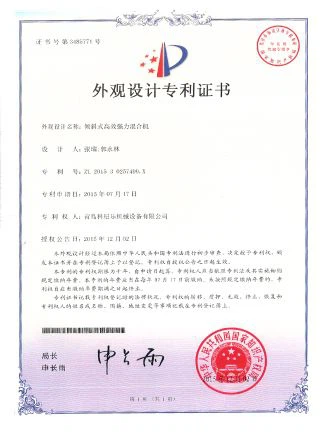
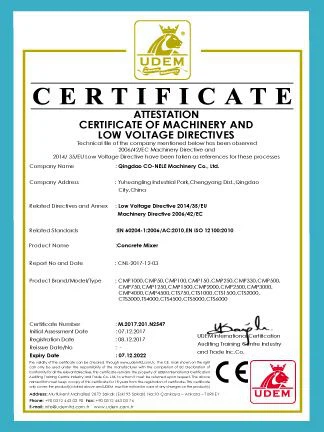
Certificate



Frequently Asked Questions
As one of the leading asphalt mixer manufacturers and suppliers in China, we warmly welcome you to buy high quality asphalt mixer made in China here from our factory. For more information, contact us now.
asphalt mixer for asphalt rehabilitation, asphalt mixer for different additive types, consistent asphalt mixer