

Our CO-NELE is professional and large manufacturer since 1993, located in Qingdao, a beautiful coastal city.
Wide Product Range
We mainly produce twin shaft mixer, double screw belt mixer, dry mortar mixer, laboratory mixer, asphalt mixer, continuous mixer, concrete batching plant, dry mortar mixing plant, fly ash solidification mixing plant and other series of equipments, etc.
Wide Range of Applications
Our products are mainly used in concrete industry, solid waste treatment, sludge treatment, fly ash solidification, medical waste treatment, incineration slag, oilfield sludge treatment, soil remediation and other industries, etc.
Advanced Equipment
We have professional production equipment such as Austrian IGM welding robot, PENTALASER 12000W laser cutting equipment, Japan FANUC welding robot, CNC vertical lathe, Fully automatic shot blasting and paint baking room, Digital workshop
Products Sell Well
We export to more than 80 countries like Germany, America, England, Indonesia, Thailand, Vietnam, Russia, Belarus, Brazil, South Africa, Algeria, Nigeria, Australia, UAE, Saudi Arabia, etc.


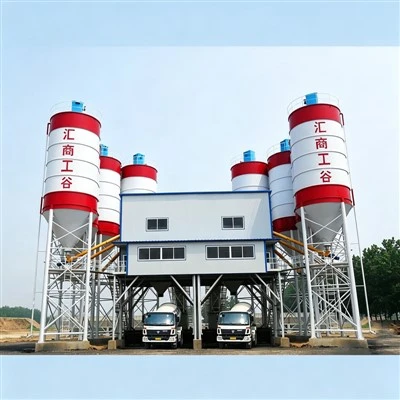


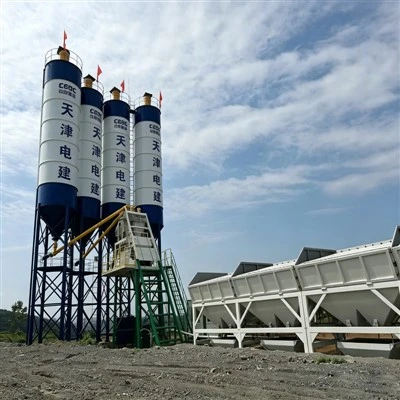


Advantages of Concrete Batching Plant
Consistent Quality
Batching plants ensure uniform mixing of concrete ingredients, resulting in consistent quality across all batches. The precision offered by such machine helps in achieving greater targets. This reliability is crucial for construction projects where strength and durability matter.
Efficiency and Productivity
Bulk Production: Batching plants can produce large volumes of concrete efficiently. This is especially advantageous for big construction projects.
Timely Delivery: Ready-mixed concrete (RMC) plants deliver concrete directly to construction sites, saving time and labor.
Customization
Batching plants allow customization of concrete mixtures based on project requirements. The modern systems come with software which can be customized to achieve the required results. Different grades, strengths, and workability can be achieved by adjusting proportions in the control system.
Reduced Waste
Precise batching in the modern plants always minimizes material wastage. Ingredients are measured accurately, reducing excess cement or aggregates. This way projects can be executed without any major hazzles.
Cost Savings
Efficient production and reduced waste translate to cost savings. This also allows to have better structures that will stand the test of time.
Environmental Impact
Centralized production reduces transportation-related emissions. On site batching plants can delivery varied results of mix material as and when required.
Quality Control
Regular testing and monitoring ensure compliance with standards. Modern systems come with detailed printing options that allow customers to have a higher degree of flexibility.
Flexibility
Mobile batching plants are portable and adaptable to various job sites. It is astounding to know and understand these mobile machines and the level of accuracy that they can offer.
Types of Concrete Batching Plant


Stationary Concrete Batching Plant
A stationary concrete batching plant remains fixed in one location throughout the project duration. It is set up at a chosen site and stays operational until the project is complete.
Mobile Concrete Batching Plant
A mobile concrete batching plant is designed for easy transportation between different job sites. It can be quickly set up and disassembled, allowing for flexibility in project locations.
Compact Concrete Batching Plant
Compact plants are ideal for construction sites with restricted space, enabling efficient concrete production without compromising on quality.developments.
Dry Mix Concrete Batching Plant
A dry mix concrete batching plant pre-mixes all components except water before being loaded into the mixer truck. This type is known for its precision in concrete composition.
Wet Mix Concrete Batching Plant
A wet mix concrete batching plant combines all components, including water, within the plant before loading into the mixer truck. It is known for producing consistently high-quality concrete mixes.
Central Mix Concrete Batching Plant
A central mix concrete batching plant mixes all ingredients centrally in the plant before loading into the mixer truck. It is known for producing exceptionally high-quality concrete due to precise control over the mixing process.
Transit Mix Concrete Batching Plant
Transit mix plants are essential for projects in areas where a stationary plant is impractical, ensuring fresh concrete is delivered to even the most challenging sites.
Continuous Concrete Batching Plant
A continuous concrete batching plant operates without interruption, providing a steady supply of concrete. It continually mixes concrete as per the requirements.
Batch Type Concrete Batching Plant
A batch type concrete batching plant processes one batch of concrete at a time. It is suitable for projects with specific mix requirements.
Automatic Concrete Batching Plant
An automatic concrete batching plant operates with full automation, controlled by computer systems. It ensures precise mixing, batching, and discharge of concrete.
Working Principle of Concrete Batching Plant
Feeding of the Aggregates
There are different bins provided that are for accommodation of aggregates of different sizes. Each bin will accommodate a size of aggregate for weighing. This helps in getting accurate results.
Aggregate Weighing
The next important step is the weighing of aggregates. They are weighed one by one as they fall into a weighing conveyor. It is important to note that the weighing conveyor is suspended on load cells.
Aggregates Transfer
The aggregate weighing conveyor is equipped for this dual purpose. Immediately after the weighing is done, it will discharge the contents into the mixing unit.
Cement Addition
Cement a binding material is an important part of a ready mix concrete. It is in powder form and stored into separate storage compartment far away from moisture.
Cement Weighing
Cement weighing takes place in a separate chamber. It is called as a cement weigh hopper. This unit is suspended on load cells to get exact and accurate weight reading of cement. The cement weigh hopper is located near the mixing unit.
Water Weighing
Similar to the principle of cement addition and weighing, a separate water weighing and discharge hopper is present near the cement weighing hopper. It receives water from the water tank.
Additive Addition
Different additives can be added into the mix material as per the requirement. The plant is equipped with an additive bowl hanging on load cell.
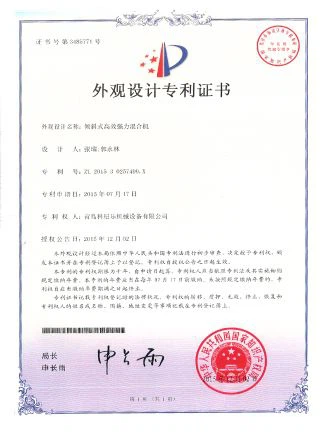
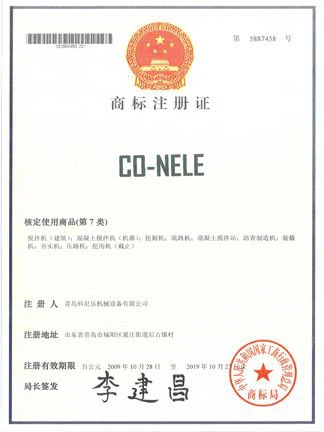
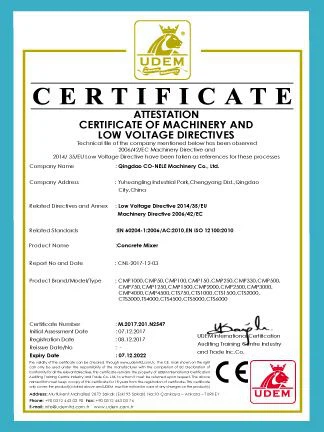
Certificate


Frequently Asked Questions
As one of the leading concrete batching plant manufacturers and suppliers in China, we warmly welcome you to buy high quality concrete batching plant made in China here from our factory. For more information, contact us now.