

Our CO-NELE is professional and large manufacturer since 1993, located in Qingdao, a beautiful coastal city.
Wide Product Range
We mainly produce twin shaft mixer, double screw belt mixer, dry mortar mixer, laboratory mixer, asphalt mixer, continuous mixer, concrete batching plant, dry mortar mixing plant, fly ash solidification mixing plant and other series of equipments, etc.
Wide Range of Applications
Our products are mainly used in concrete industry, solid waste treatment, sludge treatment, fly ash solidification, medical waste treatment, incineration slag, oilfield sludge treatment, soil remediation and other industries, etc.
Advanced Equipment
We have professional production equipment such as Austrian IGM welding robot, PENTALASER 12000W laser cutting equipment, Japan FANUC welding robot, CNC vertical lathe, Fully automatic shot blasting and paint baking room, Digital workshop
Products Sell Well
We export to more than 80 countries like Germany, America, England, Indonesia, Thailand, Vietnam, Russia, Belarus, Brazil, South Africa, Algeria, Nigeria, Australia, UAE, Saudi Arabia, etc.


Advantages of Dry Mortar Mixing Plant
Increased Strength and Durability
Dry-mix concrete is typically mixed with less water than wet-mix concrete, resulting in higher strength and durability. Its lower water-cement ratio reduces shrinkage and cracking, making it a popular choice for structural applications.
Easy to Use
Dry mix concrete is pre-mixed and bagged, making it easy to transport and store on-site. It also eliminates the need for on-site mixing equipment, saving time and labour costs.
Consistency and Quality Control
Dry mix concrete is produced in a controlled environment, ensuring consistent quality and strength. It also eliminates the potential for variations in mix proportions, which can affect the final product's strength and durability.
Reduced Wastage
The pre-mixed nature of dry mix concrete eliminates the need for excess material, reducing wastage and saving costs. It also reduces the environmental impact of on-site mixing and the waste generated during construction.
Types of Dry Mortar Mixing Plant
Forced Mix Asphalt Plant
As the name implies, the forced mixing asphalt plant is a kind of equipment that uses a forced mixer to mix asphalt mixture. It is also called asphalt batch mix plant. It is mainly suitable for projects with high requirements on project quality and output, such as municipal roads, graded roads, airport roads, etc.
Drum Mix Asphalt Plant
Drum mix asphalt plants use drying drums to complete the mixing of asphalt mixture. It is mainly suitable for projects with limited budget and low quality requirements for finished products, such as township roads and country roads. In addition, it is also suitable for road repair work.


Mobile Asphalt Mixing Plant
The mobile asphalt mixing plant is named relative to the stationary asphalt plant. Because of its convenient movement and flexible transition, it has been welcomed by more and more customers in recent years. It is mainly suitable for projects with a short construction period and frequent transitions.
Concrete Batching Plants
All Concrete Batching Plants have similar operations despite that may vary in the types of components and level of automation. Their main function is to proportion the various components in the exact quantities, which will make the specified concrete.
Cold Aggregate Feeder
The cold aggregate feeder is the starting point of the asphalt production process. It stores and feeds different sizes of aggregates into the drying drum for further processing. The feeder is equipped with adjustable gates to control the flow of aggregates, ensuring accurate proportions in the mix.
Drying Drum
The drying drum is a critical component where the aggregates undergo heating to remove moisture content. Proper drying of aggregates is essential to achieve the desired quality and consistency in the asphalt mix. The drying drum is equipped with burner systems that provide the necessary heat for the drying process.
Hot Elevator
Once dried, the aggregates are lifted by the hot elevator and transferred to the vibrating screens for separation and grading. The hot elevator ensures the smooth and efficient transfer of aggregates from the drying drum to the mixing unit.
Mixing Unit
The mixing unit is where the magic happens. It combines the dried aggregates with bitumen and other additives to create the final asphalt mix. The mixing unit consists of twin shaft paddle mixers or a pug mill, ensuring thorough blending of materials to achieve uniformity and consistency in the mix.
Bitumen Storage Tanks
Bitumen storage tanks store the heated bitumen before it is injected into the mixing unit. These tanks are insulated to maintain the temperature of the bitumen and prevent it from solidifying. Proper storage and heating of bitumen are crucial to ensure optimal mixing and flow characteristics.
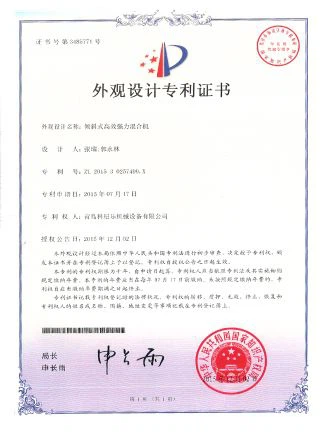
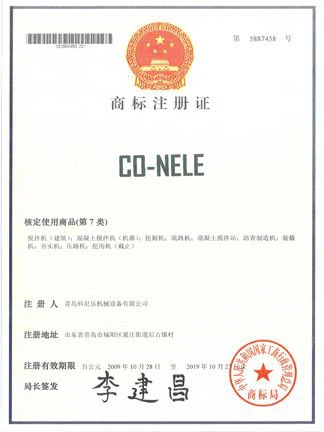
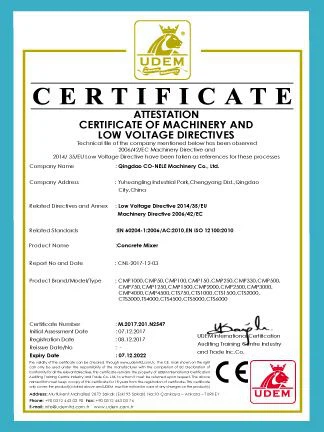
Certificate


Frequently Asked Questions
As one of the leading dry mortar mixing plant manufacturers and suppliers in China, we warmly welcome you to buy high quality dry mortar mixing plant made in China here from our factory. For more information, contact us now.
dry mortar stirrer, dry mortar specification, mortar standard