

Hey there! As a supplier of concrete mixing stations, I've seen firsthand the importance of optimizing their operation. A well - run concrete mixing station can boost productivity, cut costs, and improve the quality of the concrete produced. In this blog, I'll share some tips on how to optimize the operation of a concrete mixing station.
1. Equipment Selection and Maintenance
First off, choosing the right equipment is crucial. You want a Concrete Mixing Station that suits your specific needs. If you're dealing with large - scale projects, a high - capacity mixing station might be the way to go. On the other hand, for smaller jobs, a Small Concrete Plant could be more cost - effective.
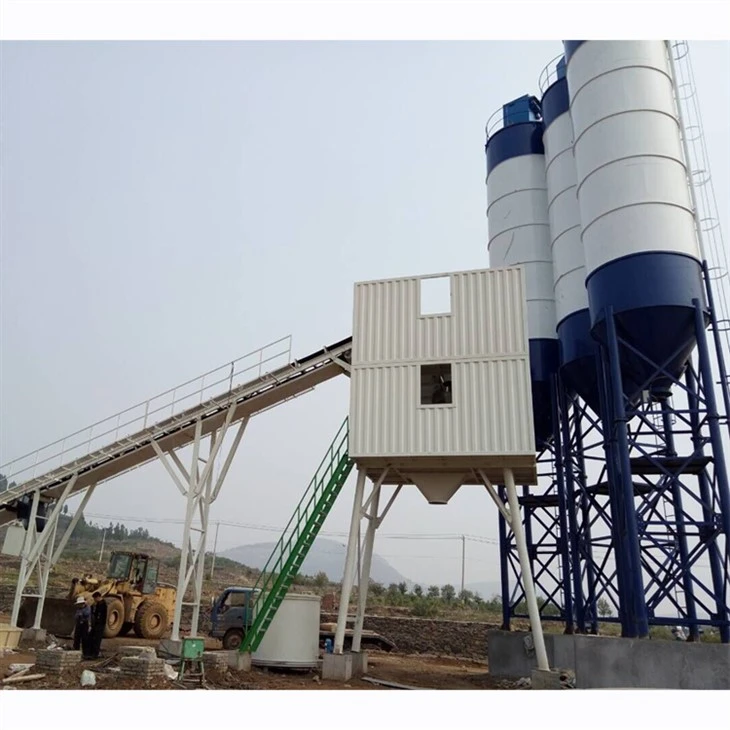
Regular maintenance is a must. Just like a car, if you don't take care of your concrete mixing station, it'll start to break down. Check the mixing blades regularly for wear and tear. If they're worn out, replace them. A damaged blade won't mix the concrete properly, which can lead to inconsistent quality. Also, keep an eye on the conveyor belts. In a Belt Conveyor Concrete Batching Plant, a faulty belt can disrupt the whole production process. Make sure to lubricate all moving parts according to the manufacturer's recommendations. This reduces friction and extends the lifespan of the equipment.
2. Raw Material Management
The quality of your raw materials directly impacts the quality of the concrete. Source your aggregates, cement, and water from reliable suppliers. Test the aggregates for particle size, shape, and moisture content. Aggregates with the wrong particle size can affect the workability and strength of the concrete.
Keep your raw materials in proper storage. Cement should be stored in a dry place to prevent it from caking. If cement gets wet, it'll lose its binding properties. For aggregates, make sure the storage bins are clean and free from contaminants. You don't want dirt or other foreign materials getting into your concrete mix.
Implement a good inventory management system. Know exactly how much of each raw material you have on hand and when you need to reorder. This prevents production delays due to running out of materials.
3. Mix Design Optimization
A well - designed mix is the key to high - quality concrete. Work with a professional concrete technologist to develop the right mix design for your projects. Consider factors like the strength requirements, workability, and durability of the concrete.
Don't be afraid to experiment a bit. Sometimes, a small change in the mix proportions can lead to significant improvements in the concrete's performance. For example, adjusting the water - cement ratio can affect the strength and workability of the concrete. But be careful not to make changes without proper testing.
4. Staff Training
Your staff plays a huge role in the operation of the concrete mixing station. Provide them with comprehensive training. They should know how to operate the equipment safely and efficiently. Training should cover everything from starting up the mixing station to shutting it down properly.
Teach your staff about quality control. They need to understand the importance of following the mix design and conducting regular quality checks. For example, they should know how to test the slump of the concrete to ensure it meets the required workability.
Encourage your staff to share their ideas for improvement. They're the ones on the front lines, so they might have some great insights on how to optimize the operation.
5. Process Automation
Automation can bring a lot of benefits to a concrete mixing station. It can improve accuracy in batching, reduce human error, and increase productivity. With an automated system, you can precisely control the amount of each raw material that goes into the mix.
Invest in a good automation software. It should be user - friendly and allow you to easily adjust the mix parameters. The software can also generate reports on production data, which can be useful for analyzing the performance of the mixing station.

6. Quality Control
Quality control is an ongoing process. Set up a quality control plan and stick to it. Conduct regular tests on the fresh and hardened concrete. For fresh concrete, test the slump, air content, and temperature. For hardened concrete, test the compressive strength.
Keep detailed records of all the test results. This helps you track the quality of the concrete over time and identify any trends or issues. If you notice a consistent problem, you can take corrective action quickly.
7. Environmental Considerations
In today's world, environmental friendliness is important. Try to reduce the environmental impact of your concrete mixing station. One way is to recycle water. You can collect the water used for cleaning the equipment and reuse it in the concrete mix. This not only saves water but also reduces the amount of wastewater that needs to be treated.
Also, look into using alternative raw materials. For example, some types of industrial waste can be used as partial replacements for cement. This reduces the demand for traditional cement production, which is a major source of greenhouse gas emissions.
8. Safety Measures
Safety should always be a top priority. Provide your staff with the necessary safety equipment, such as hard hats, safety glasses, and gloves. Make sure the mixing station is equipped with safety guards and emergency stop buttons.
Conduct regular safety training sessions. Your staff should know what to do in case of an emergency, like a fire or a equipment malfunction. Also, keep the work area clean and organized. A cluttered workspace can lead to accidents.
9. Production Planning
Plan your production schedule carefully. Consider factors like the delivery times of your concrete orders. Make sure you have enough time to produce the required amount of concrete and transport it to the construction site on time.
Coordinate with your customers and transport team. Let them know the estimated production time and delivery schedule. This helps avoid any misunderstandings and ensures a smooth operation.
Conclusion
Optimizing the operation of a concrete mixing station is a multi - faceted task. It involves everything from equipment selection and maintenance to staff training and quality control. By following these tips, you can improve the productivity, quality, and profitability of your concrete mixing station.
If you're interested in learning more about our Concrete Mixing Station or need help with optimizing your current operation, don't hesitate to reach out. We're here to assist you in making your concrete production as efficient and successful as possible.
References
- Concrete Technology textbooks
- Industry reports on concrete mixing station operations
- Manufacturer's manuals for concrete mixing station equipment