
Is it profitable to invest in a small concrete plant? Well, that's a question I get asked a lot as a supplier of Small Concrete Plant. And let me tell you, it's not a straightforward yes or no answer. There are a bunch of factors to consider, and I'm gonna break them down for you in this blog.
Understanding the Basics of a Small Concrete Plant
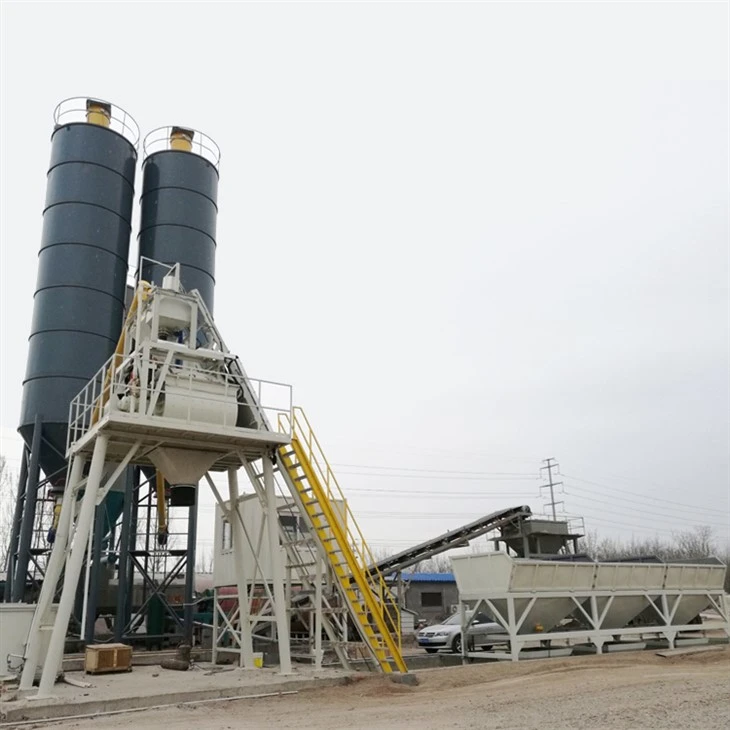
First things first, what exactly is a small concrete plant? These are compact setups designed to produce smaller volumes of concrete compared to large - scale industrial plants. They're great for small - to medium - sized construction projects like building houses, small commercial buildings, or local infrastructure repairs.
There are different types, like the HZS Concrete Plant and the Skip Concrete Batching Plant. The HZS series is known for its high - efficiency and accurate batching system, while the skip concrete batching plant is more cost - effective and easier to install in limited spaces.
The Costs Involved
Let's talk money. Investing in a small concrete plant isn't cheap. You've got the upfront cost of purchasing the plant itself. Depending on the type, capacity, and features, prices can vary widely. A basic small concrete plant might set you back a few tens of thousands of dollars, while a more advanced one can cost well over a hundred thousand.
Then there are the operating costs. You need to buy raw materials like cement, aggregates, and water on a regular basis. Labor costs for operating the plant, maintaining it, and transporting the concrete also add up. And don't forget about energy costs, as running the machinery requires a significant amount of power.
The Revenue Streams
On the flip side, there are some solid revenue streams. The most obvious one is selling the concrete you produce. You can target local construction companies, contractors, and even individual homeowners. If you can offer high - quality concrete at a competitive price, you'll have a good chance of getting repeat business.
Another potential revenue stream is providing concrete - related services. For example, you could offer on - site mixing and pouring services, which can be a big plus for customers who don't have the equipment or expertise to handle it themselves.
Market Demand
The profitability of your small concrete plant largely depends on the local market demand. If there's a lot of construction activity in your area, whether it's new building projects, road repairs, or infrastructure development, there'll be a high demand for concrete. You need to do some market research to figure out the current and future demand trends. Look at local government plans for development, talk to construction firms, and analyze the growth rate of the construction industry in your region.
Competition
Competition is another factor that can make or break your profitability. If there are already several established concrete plants in your area, it'll be tougher to break into the market. You'll need to find a way to differentiate your products and services. Maybe you can focus on providing a more personalized service, using eco - friendly materials, or offering faster delivery times.
Advantages of a Small Concrete Plant
One of the big advantages of a small concrete plant is its flexibility. You can easily adjust your production volume based on the demand. If there are only a few small projects going on, you can scale down production to save costs. And because you're smaller, you can be more responsive to customer needs.
Small plants also tend to have lower overhead costs compared to large ones. You don't need as much space for the plant, and you can get by with a smaller workforce. This can help keep your operating costs in check, which is great for profitability.
Challenges
However, there are challenges too. Quality control can be a bit tricky. You need to make sure that every batch of concrete you produce meets the required standards. If you have inconsistent quality, you'll lose customers in no time.
Regulatory compliance is another hurdle. You need to follow all the environmental and safety regulations. This might involve getting permits, installing pollution - control equipment, and ensuring proper waste management.
Making the Investment Profitable
So, how can you make investing in a small concrete plant profitable?
First, do your due diligence. Research the market thoroughly before you make the purchase. Look at the demand, competition, and potential revenue streams.
Second, focus on quality. Invest in good - quality equipment and train your staff properly. Consistently high - quality concrete will help you build a good reputation in the market, which will lead to more customers and repeat business.

Third, manage your costs effectively. Look for ways to reduce the cost of raw materials, optimize your energy consumption, and streamline your operations.
And finally, marketing is key. Get the word out about your small concrete plant. Build relationships with local construction companies, contractors, and other potential customers. Use social media, local advertising, and word - of - mouth to promote your products and services.
Conclusion
In conclusion, investing in a small concrete plant can be profitable, but it's not without its challenges. If you do your homework, manage your costs, focus on quality, and market your business well, you stand a good chance of making a decent profit.
If you're thinking about investing in a small concrete plant and want to learn more about our products, feel free to reach out to us. We're here to answer all your questions and help you make the right decision for your business.
References
- Concrete Industry Management Handbook, various authors.
- Construction Industry Reports from local government and industry associations.
- Experience and knowledge gained from years of supplying small concrete plants in the market.