

Hey there! As a supplier of dry mortar plants, I've seen firsthand the importance of efficiency in this industry. Running a dry mortar plant can be a complex task, but with the right strategies, you can significantly boost its efficiency. In this blog, I'm gonna share some practical tips on how to improve the efficiency of a dry mortar plant.
1. Equipment Selection and Maintenance
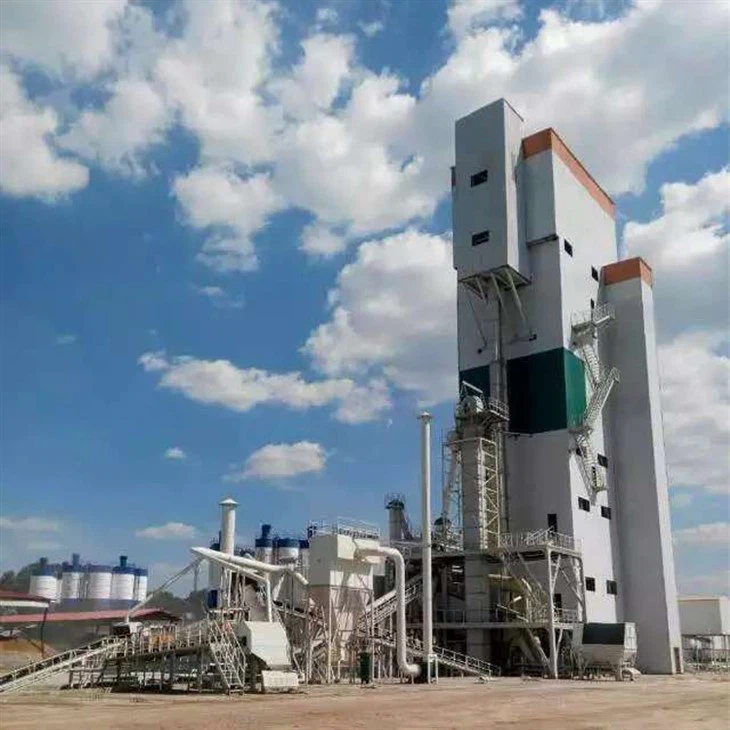
First off, choosing the right equipment is crucial. A high - quality Dry Mortar Mix Plant is the foundation of an efficient operation. When selecting a dry mortar mix plant, you need to consider factors like production capacity, mixing accuracy, and energy consumption.
For example, modern dry mortar plants are equipped with advanced mixing technology that can ensure a more uniform mixture in a shorter time. This not only improves the quality of the dry mortar but also increases the overall production rate.

Regular maintenance of the equipment is also essential. A well - maintained Dry Mortar Plant will have fewer breakdowns and operate more smoothly. You should set up a maintenance schedule to check and replace worn - out parts regularly. This can prevent unexpected downtime, which can be a real killer for efficiency.
2. Raw Material Management
Effective raw material management is another key aspect. You need to have a good inventory management system in place. This means keeping track of the quantity, quality, and storage conditions of your raw materials.
For instance, if you store your cement or sand in an improper environment, it can affect their quality and ultimately the quality of the dry mortar. Make sure your storage facilities are dry, clean, and well - ventilated.

Also, try to source your raw materials from reliable suppliers. A consistent supply of high - quality raw materials can help you maintain a stable production process. And don't forget to negotiate favorable terms with your suppliers to reduce costs. After all, cost - saving is also a part of improving efficiency.
3. Process Optimization
Streamlining the production process is vital for enhancing efficiency. Analyze your Dry Mix Mortar Production Line to identify any bottlenecks or inefficiencies. For example, if there are long waiting times between different production steps, you may need to adjust the workflow.
Automation can play a big role here. Many modern dry mortar plants are using automated systems for batching, mixing, and packaging. These systems can reduce human error and speed up the production process. You can also use sensors and monitoring devices to collect data on the production process. This data can help you make informed decisions about process improvements.
4. Staff Training and Management
Your employees are the heart of your dry mortar plant. Providing them with proper training is essential. Make sure they are well - versed in operating the equipment, following safety procedures, and understanding the production process.
Regular training sessions can keep your staff updated on the latest industry trends and technologies. This can lead to more innovative and efficient ways of working.
In addition to training, effective staff management is also important. Set clear goals and performance indicators for your employees. Reward them for good performance and provide constructive feedback when needed. A motivated and well - managed workforce can make a huge difference in the efficiency of your plant.
5. Quality Control
Maintaining high - quality products is not only important for customer satisfaction but also for efficiency. If you produce low - quality dry mortar, you may have to rework or scrap the products, which is a waste of time and resources.
Implement a strict quality control system at every stage of the production process. This includes testing the raw materials before use, monitoring the mixing process, and conducting final product inspections. By catching quality issues early, you can avoid costly production delays and customer complaints.

6. Energy Management
Energy consumption is a significant cost factor in a dry mortar plant. You can improve efficiency by implementing energy - saving measures. For example, use energy - efficient equipment and lighting systems. Optimize the operation of your machinery to reduce energy waste.
You can also consider using renewable energy sources, such as solar panels, to power your plant. Although the initial investment may be high, the long - term savings can be substantial.
7. Supply Chain Coordination
A well - coordinated supply chain can improve the overall efficiency of your dry mortar plant. Work closely with your suppliers and customers to ensure a smooth flow of materials and products.
For example, establish a just - in - time delivery system with your suppliers. This can reduce inventory costs and minimize the risk of overstocking. On the customer side, communicate effectively to understand their needs and delivery schedules. This can help you plan your production more efficiently.
Conclusion
Improving the efficiency of a dry mortar plant is a continuous process. It requires a combination of the right equipment, effective management of raw materials, process optimization, well - trained staff, strict quality control, energy management, and supply chain coordination.
If you're looking to upgrade your dry mortar plant or are in the market for a new one, I'd love to have a chat with you. We can discuss how our products and solutions can help you achieve higher efficiency and better results. Don't hesitate to reach out for a procurement negotiation. Let's work together to take your dry mortar plant to the next level!
References
- "Handbook of Dry Mortar Technology"
- Industry reports on dry mortar production efficiency.