

Installing a modular concrete plant is a significant project that requires careful planning, technical expertise, and adherence to safety standards. As a reputable supplier of Modular Concrete Plant, I am well - versed in the process and will guide you through each step in this blog post.
Pre - installation Preparation
Site Selection
The first and most crucial step in installing a modular concrete plant is choosing the right site. The site should be large enough to accommodate the entire plant, including the storage areas for aggregates, cement, and other materials, as well as the mixing unit and the conveyor systems. It should also have easy access to roads for the transportation of raw materials and the delivery of the finished concrete.
The ground at the site must be level and stable. A soil test is recommended to determine the bearing capacity of the soil. If the soil is not suitable, proper foundation work may be required to ensure the long - term stability of the plant. Additionally, the site should be located away from residential areas to minimize noise and dust pollution.
Obtain Necessary Permits
Before starting the installation, it is essential to obtain all the necessary permits from the local authorities. These permits may include building permits, environmental permits, and operating licenses. Failure to obtain the required permits can lead to legal issues and delays in the project. It is advisable to consult with a local legal expert or a permitting agency to ensure that all the requirements are met.
Gather Tools and Equipment
A variety of tools and equipment will be needed for the installation process. Some of the essential tools include wrenches, screwdrivers, cranes, forklifts, and welding equipment. Make sure that all the tools are in good working condition and that you have enough of them to avoid delays during the installation. It is also a good idea to have a spare set of some critical tools in case of any unexpected breakdowns.
Installation Process
Foundation Installation
The foundation is the base of the modular concrete plant and provides stability. For a modular concrete plant, there are different types of foundations available, such as a concrete slab foundation or a steel frame foundation. If a concrete slab foundation is chosen, the first step is to excavate the area to the required depth and width. Reinforcement bars are then placed in the excavated area, and concrete is poured and allowed to cure.

If a steel frame foundation is used, the steel frames are assembled on - site according to the manufacturer's instructions. The frames are then bolted or welded together to form a stable structure. The foundation should be leveled accurately to ensure that the plant components can be installed correctly on top of it.
Assembly of the Plant Components
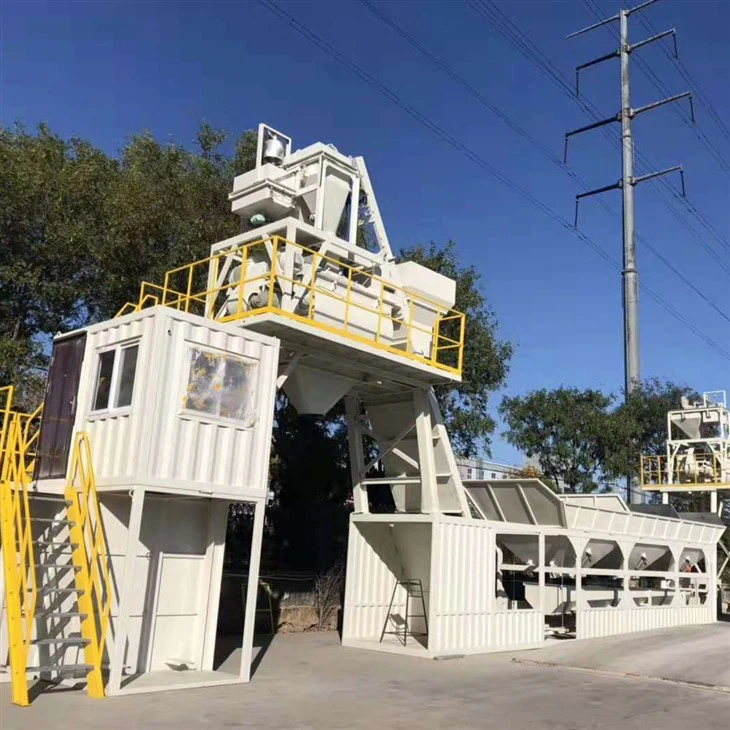
Once the foundation is ready, the assembly of the plant components can begin. The modular design of the concrete plant allows for easier and faster assembly. The components are usually pre - fabricated in the factory and then transported to the site.
The first component to be installed is often the aggregate storage bins. These bins are placed on the foundation and secured in place. Next, the conveyor belts are installed to transport the aggregates from the storage bins to the mixing unit. The cement silos are then erected, and the cement conveying system is connected to the mixing unit.
The mixing unit is the heart of the concrete plant. It is carefully installed and aligned to ensure proper operation. All the electrical and hydraulic connections are made at this stage, following the wiring diagrams and hydraulic schematics provided by the manufacturer.
Installation of Control System
The control system is responsible for regulating the operation of the entire concrete plant. It allows the operator to control the amount of materials being fed into the mixing unit, the mixing time, and other parameters. The control panel is usually installed in a control room near the plant.
The sensors and actuators throughout the plant are connected to the control system. These sensors monitor various parameters such as the level of materials in the storage bins, the speed of the conveyor belts, and the temperature and pressure in the mixing unit. The control system then uses this information to make adjustments and ensure the efficient and accurate production of concrete.
Testing and Commissioning
Mechanical Testing
After the installation is complete, a series of mechanical tests are conducted. These tests include checking the movement of the conveyor belts, the rotation of the mixing blades, and the operation of the gates and valves. Any mechanical issues, such as loose bolts, misaligned components, or abnormal noises, should be addressed immediately.
The cranes and forklifts used for the installation should also be tested to ensure their safe operation. The load - bearing capacity of the structures, such as the aggregate storage bins and the cement silos, is verified to ensure that they can withstand the expected loads during normal operation.
Electrical and Hydraulic Testing
The electrical system is thoroughly tested to ensure that all the electrical components, such as motors, sensors, and control panels, are functioning correctly. The wiring is checked for any loose connections or short circuits. The hydraulic system is also tested to ensure that there are no leaks and that the pressure and flow rates are within the specified range.
Trial Production
Once the mechanical, electrical, and hydraulic tests are successful, a trial production run is carried out. A small batch of concrete is produced to test the overall performance of the plant. The quality of the concrete, including its slump, strength, and consistency, is measured. Any adjustments to the mixing parameters, such as the water - cement ratio or the mixing time, are made based on the test results.
Post - installation Maintenance
Regular Inspections
Regular inspections are essential to ensure the continued safe and efficient operation of the modular concrete plant. Daily inspections should include checking the level of materials in the storage bins, the condition of the conveyor belts, and the operation of the control system. Weekly and monthly inspections should cover more in - depth checks, such as the lubrication of moving parts, the tightness of bolts, and the integrity of the electrical and hydraulic systems.
Preventive Maintenance
Preventive maintenance involves performing routine maintenance tasks to prevent breakdowns and extend the lifespan of the plant components. This may include changing the oil in the hydraulic system, replacing the filters in the air compressors, and greasing the bearings. A maintenance schedule should be established based on the manufacturer's recommendations.
Staff Training
Proper training of the plant operators is crucial for the safe and efficient operation of the modular concrete plant. The operators should be trained on how to use the control system, how to perform basic maintenance tasks, and how to respond to emergency situations. Regular training sessions should be conducted to keep the operators updated on the latest operating procedures and safety regulations.
Conclusion
Installing a modular concrete plant is a complex but rewarding process. By following the steps outlined in this blog post, you can ensure a successful installation and commissioning of your plant. As a supplier of Modular Concrete Plant, we are committed to providing high - quality products and comprehensive after - sales support.

If you are interested in purchasing a modular concrete plant or have any questions about the installation process, please feel free to contact us for a detailed discussion. Our team of experts will be happy to assist you in finding the right solution for your specific needs.
References
- Concrete Plant Manufacturer's Manuals
- Local Building and Environmental Codes
- Industry Standards for Concrete Production and Plant Installation