

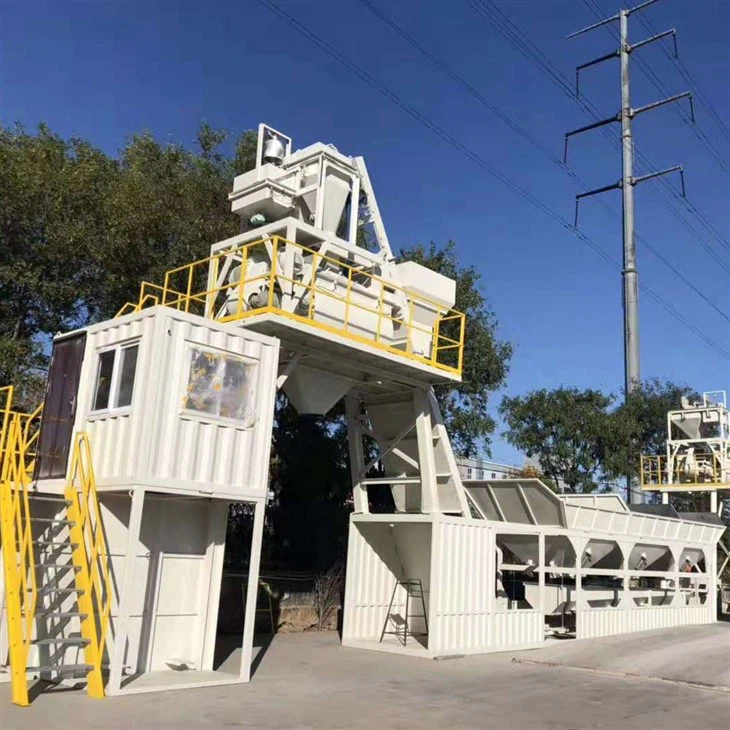
As a supplier of modular concrete plants, I've witnessed firsthand the growing demand for these innovative facilities in the construction industry. Modular concrete plants offer numerous advantages, including rapid installation, flexibility, and cost - effectiveness. However, it's crucial to understand their environmental impacts, both positive and negative.
Positive Environmental Impacts
1. Reduced Construction Waste
One of the significant benefits of modular concrete plants is their ability to minimize construction waste. Unlike traditional concrete plants, which often require on - site construction and assembly, modular plants are pre - fabricated in a factory environment. This controlled manufacturing process allows for precise material cutting and usage, reducing waste significantly. According to a study by the Construction Industry Institute, pre - fabricated modular construction can reduce waste by up to 90% compared to traditional building methods. In the context of concrete plants, this means less raw material is wasted during the manufacturing process, which in turn conserves natural resources.
2. Energy Efficiency
Modular concrete plants are designed with energy efficiency in mind. Many modern modular plants are equipped with advanced insulation materials and energy - efficient equipment. For example, the heating and cooling systems in these plants are optimized to reduce energy consumption. Additionally, the modular design allows for better organization of the production process, which can lead to more efficient use of energy. A well - designed modular concrete plant can reduce energy consumption by up to 30% compared to a traditional plant, as reported by the International Energy Agency. This reduction in energy use not only lowers operating costs but also decreases the plant's carbon footprint.
3. Water Conservation
Water is a precious resource, and the concrete production process is a significant consumer of it. Modular concrete plants are often equipped with water recycling systems. These systems collect and treat the water used in the concrete mixing process, allowing it to be reused. By recycling water, modular plants can reduce their water consumption by up to 50%. This is particularly important in regions where water scarcity is a concern. For instance, in arid areas, the ability of a modular concrete plant to conserve water can have a substantial positive impact on the local environment.
4. Reduced Transportation Emissions
The modular nature of these plants means that they can be easily transported to the construction site. Since they are pre - fabricated in sections, they can be shipped more efficiently than a traditional plant. This reduces the number of trips required for transportation, which in turn lowers greenhouse gas emissions. A study by the European Federation for Transport and Environment found that modular construction can reduce transportation - related emissions by up to 20% compared to traditional construction methods.
Negative Environmental Impacts
1. Raw Material Extraction
The production of concrete requires large amounts of raw materials, such as cement, sand, and gravel. The extraction of these materials can have a significant impact on the environment. Mining operations for sand and gravel can lead to habitat destruction, soil erosion, and water pollution. Additionally, the production of cement is a major source of carbon dioxide emissions. According to the Global Cement and Concrete Association, the cement industry accounts for approximately 7% of global carbon dioxide emissions. As a modular concrete plant supplier, we are aware of these issues and are constantly looking for ways to encourage the use of more sustainable raw materials, such as recycled aggregates and alternative cements.
2. Noise Pollution
Concrete plants, including modular ones, can generate significant noise during operation. The machinery used in the mixing, crushing, and transporting of concrete can produce high - decibel sounds. This noise can have a negative impact on the health and well - being of nearby residents and wildlife. To mitigate this issue, many modular concrete plants are designed with noise - reducing features, such as sound - proof enclosures around the machinery. However, it's still important to carefully consider the location of the plant to minimize its impact on the surrounding environment.
3. Air Pollution
The production of concrete involves the emission of various pollutants into the air. Dust is a major concern, especially during the handling and storage of raw materials. Fine dust particles can be inhaled by humans and animals, causing respiratory problems. In addition, the combustion of fossil fuels in the plant's machinery can release pollutants such as sulfur dioxide, nitrogen oxides, and particulate matter. To address these issues, modular concrete plants are often equipped with dust collection systems and emission control technologies. However, continuous monitoring and improvement of these systems are necessary to ensure compliance with environmental regulations.
Mitigating the Negative Impacts
1. Sustainable Sourcing
As a supplier, we are committed to promoting sustainable sourcing of raw materials. We encourage our customers to use recycled aggregates, which can be obtained from construction and demolition waste. Using recycled aggregates not only reduces the demand for virgin materials but also helps to divert waste from landfills. Additionally, we support the development and use of alternative cements, such as fly ash - based and slag - based cements, which have a lower carbon footprint compared to traditional Portland cement.
2. Advanced Technology Adoption
We invest in research and development to incorporate the latest environmental technologies into our modular concrete plants. For example, we are exploring the use of more efficient dust collection systems and advanced emission control technologies. These technologies can significantly reduce the amount of pollutants released into the air. We also work on improving the energy efficiency of our plants by using renewable energy sources, such as solar panels and wind turbines, to power the plant's operations.

3. Community Engagement
We understand the importance of engaging with the local community when setting up a modular concrete plant. We conduct environmental impact assessments before starting a project and involve the community in the decision - making process. By listening to the concerns of the local residents, we can take appropriate measures to minimize the negative impacts of the plant on the environment and the community. This may include implementing noise - reduction measures, improving dust control, and providing employment opportunities for the local population.
Conclusion
Modular concrete plants have both positive and negative environmental impacts. On the one hand, they offer significant advantages in terms of waste reduction, energy efficiency, water conservation, and reduced transportation emissions. On the other hand, they still face challenges related to raw material extraction, noise pollution, and air pollution. As a Modular Concrete Plant supplier, we are dedicated to minimizing the negative impacts and maximizing the positive ones.
We believe that by promoting sustainable practices, adopting advanced technologies, and engaging with the community, we can make modular concrete plants a more environmentally friendly option for the construction industry. If you are interested in learning more about our modular concrete plants or are considering a purchase, we invite you to reach out to us for a detailed discussion. Our team of experts is ready to assist you in finding the best solution for your specific needs.
References
- Construction Industry Institute. (Year). Waste reduction in pre - fabricated modular construction.
- International Energy Agency. (Year). Energy efficiency in modular industrial plants.
- Global Cement and Concrete Association. (Year). Carbon emissions in the cement industry.
- European Federation for Transport and Environment. (Year). Emission reduction in modular construction transportation.