

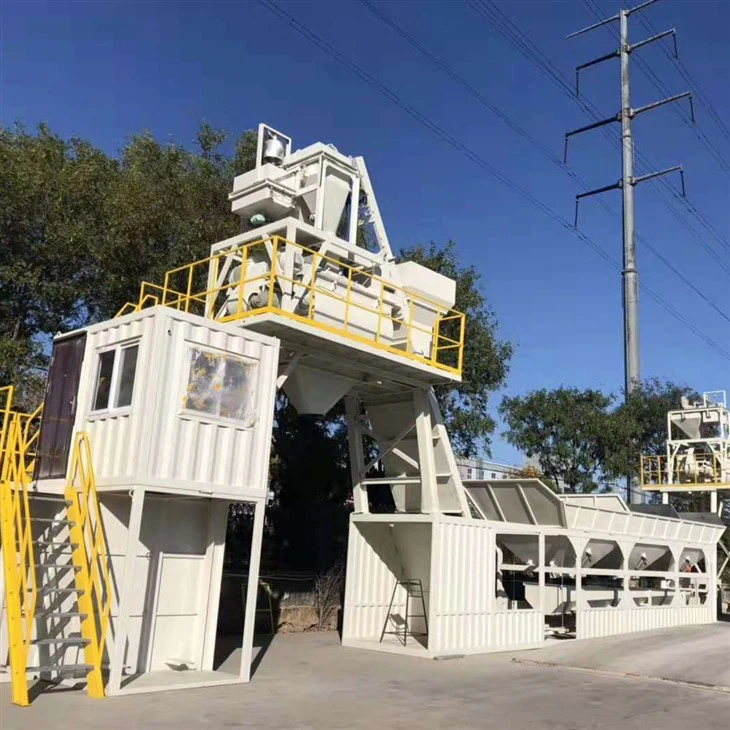
Hey there! As a supplier of modular concrete plants, I often get asked about the installation requirements for the foundation of these plants. In this blog post, I'll break down everything you need to know to ensure a smooth and successful installation.
First off, let's talk about why the foundation is so important. A solid foundation is the backbone of any modular concrete plant. It provides stability, support, and helps prevent issues like uneven settling, which can lead to structural damage and operational problems down the line. So, getting the foundation right from the start is crucial.
Site Selection
The first step in the installation process is choosing the right site for your modular concrete plant. You want to pick a location that's flat, well-drained, and free from any potential hazards. Avoid areas prone to flooding, landslides, or other natural disasters. Also, make sure the site has easy access for delivery trucks and other equipment.
When evaluating a site, it's a good idea to conduct a soil analysis. This will give you a better understanding of the soil's properties, such as its bearing capacity, density, and moisture content. Based on the results of the soil analysis, you can determine the type of foundation that's best suited for your plant.
Types of Foundations
There are several types of foundations that can be used for modular concrete plants, each with its own advantages and disadvantages. Here are some of the most common options:
Pad Foundations
Pad foundations are one of the simplest and most cost-effective types of foundations. They consist of a single, thick concrete slab that supports the weight of the plant. Pad foundations are typically used for smaller modular concrete plants or in areas with stable soil conditions.
To install a pad foundation, you'll need to excavate the site to the required depth and pour a layer of compacted gravel or crushed stone. Then, you'll place the formwork for the concrete slab and pour the concrete. Once the concrete has cured, you can install the modular concrete plant on top of the pad.
Strip Foundations
Strip foundations are similar to pad foundations, but they are longer and narrower. They are typically used for larger modular concrete plants or in areas with less stable soil conditions. Strip foundations provide more support and stability than pad foundations, but they are also more expensive and time-consuming to install.
To install a strip foundation, you'll need to excavate a trench to the required depth and width. Then, you'll place the formwork for the concrete strip and pour the concrete. Once the concrete has cured, you can install the modular concrete plant on top of the strip.
Pile Foundations
Pile foundations are used in areas with very poor soil conditions or where the plant needs to be supported at a greater depth. Piles are long, slender columns that are driven or drilled into the ground to provide support. They can be made of concrete, steel, or wood.
To install a pile foundation, you'll need to use a pile driver or drill rig to drive or drill the piles into the ground. Once the piles are in place, you'll need to install a pile cap on top of the piles to distribute the weight of the plant evenly. Then, you can install the modular concrete plant on top of the pile cap.

Foundation Design
Once you've chosen the type of foundation that's best suited for your modular concrete plant, you'll need to design the foundation to meet the specific requirements of your plant. This will involve calculating the loads that the foundation will need to support, such as the weight of the plant, the weight of the materials, and the forces generated by the equipment.
You'll also need to consider factors like the soil conditions, the seismic activity in the area, and the environmental conditions. Based on these factors, you can determine the size, shape, and reinforcement of the foundation.
It's important to work with a qualified engineer or contractor to design the foundation for your modular concrete plant. They will have the expertise and experience to ensure that the foundation is designed to meet all the necessary requirements and codes.
Installation Process
Once the foundation has been designed and the site has been prepared, it's time to start the installation process. Here are the general steps involved in installing a modular concrete plant:
Assembly
The first step is to assemble the modular components of the plant on-site. This will typically involve bolting or welding the components together to form the structure of the plant. Make sure to follow the manufacturer's instructions carefully to ensure that the components are assembled correctly.
Installation of Equipment
Once the structure of the plant has been assembled, you can start installing the equipment, such as the mixer, conveyor belts, and storage silos. Make sure to install the equipment in the correct location and orientation, and follow the manufacturer's instructions for wiring and plumbing.
Connection to Utilities
Once the equipment has been installed, you'll need to connect the plant to the utilities, such as water, electricity, and gas. Make sure to follow all the necessary safety procedures and codes when making these connections.
Testing and Commissioning
Once the plant has been installed and connected to the utilities, it's time to test and commission the plant. This will involve running the plant through a series of tests to ensure that it is operating correctly and efficiently. Make sure to follow the manufacturer's instructions for testing and commissioning the plant.
Maintenance and Inspection
Once the modular concrete plant has been installed and commissioned, it's important to perform regular maintenance and inspections to ensure that it continues to operate safely and efficiently. Here are some of the key maintenance and inspection tasks that you should perform:
Foundation Inspection
Regularly inspect the foundation for any signs of damage or deterioration, such as cracks, settlement, or erosion. If you notice any issues, make sure to address them immediately to prevent further damage.
Equipment Maintenance
Perform regular maintenance on the equipment, such as lubricating the moving parts, checking the belts and chains, and replacing any worn or damaged components. Make sure to follow the manufacturer's instructions for maintenance and servicing the equipment.
Safety Checks
Regularly perform safety checks on the plant, such as checking the emergency stop buttons, the safety guards, and the fire suppression systems. Make sure that all the safety equipment is in good working condition and that all the employees are trained on how to use it.
Conclusion
In conclusion, the installation requirements for the foundation of a modular concrete plant are crucial for ensuring the safety, stability, and efficiency of the plant. By choosing the right site, selecting the appropriate type of foundation, designing the foundation correctly, and following the proper installation and maintenance procedures, you can ensure that your modular concrete plant will provide years of reliable service.
If you're interested in learning more about modular concrete plants or have any questions about the installation process, please don't hesitate to contact us. We're here to help you every step of the way.
References
- Concrete Plant Manufacturers Bureau. (n.d.). Modular Concrete Plants. Retrieved from [Website URL]
- National Ready Mixed Concrete Association. (n.d.). Foundation Design for Concrete Plants. Retrieved from [Website URL]
- American Concrete Institute. (n.d.). Guide for Design and Construction of Concrete Foundations. Retrieved from [Website URL]