

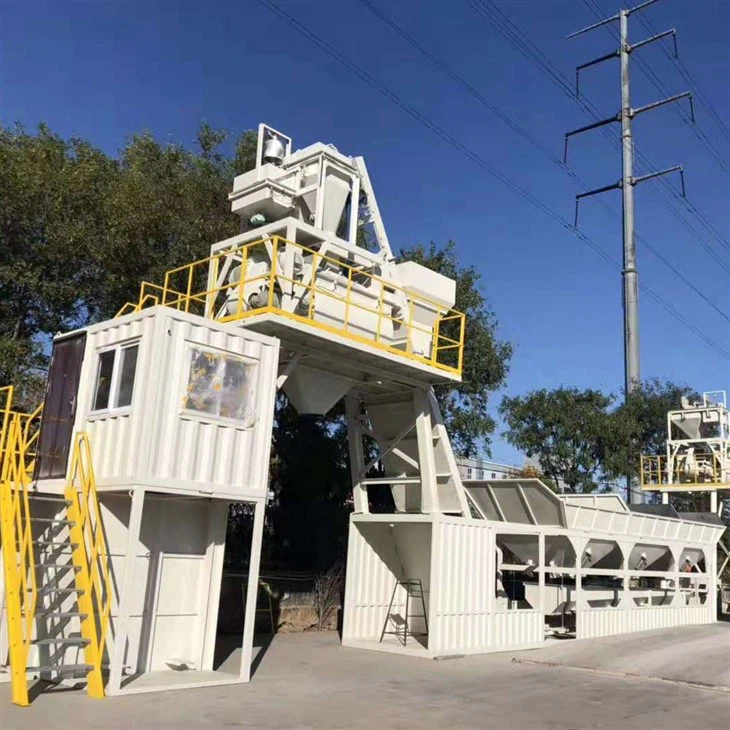
Hey there! As a supplier of modular concrete plants, I'm super excited to dive into the technical parameters of these awesome machines. Whether you're a construction pro or just curious about how things work, understanding these parameters is key to getting the most out of a modular concrete plant. So, let's get right into it!
Capacity
One of the first things you'll want to consider is the capacity of the modular concrete plant. This is usually measured in cubic meters per hour (m³/h). The capacity you need depends on the scale of your construction projects. For small - scale jobs like building a single - family house, a plant with a capacity of 20 - 30 m³/h might be sufficient. But if you're working on large commercial buildings or infrastructure projects, you'll probably want a plant with a capacity of 60 m³/h or more.
Our Modular Concrete Plant comes in a variety of capacities. We can offer plants with capacities ranging from 25 m³/h to 120 m³/h, so you can choose the one that best fits your project requirements.
Aggregate Batching System
The aggregate batching system is where the magic starts. It's responsible for measuring and mixing the aggregates (such as sand, gravel, and crushed stone) that are a major component of concrete.
- Accuracy: The accuracy of the aggregate batching system is crucial for producing high - quality concrete. Our modular concrete plants use advanced weighing sensors that can achieve an accuracy of ± 2% for aggregate batching. This means that the amount of each aggregate in the mix is very precise, which leads to consistent and reliable concrete quality.
- Batching Time: Another important parameter is the batching time. A shorter batching time means higher productivity. Our plants are designed to have a fast batching cycle, with typical batching times ranging from 30 to 60 seconds, depending on the capacity and configuration of the plant.
Cement Silos
Cement is a vital ingredient in concrete, and the cement silos in a modular concrete plant are where it's stored.
- Capacity: Cement silos come in different capacities. We typically offer silos with capacities ranging from 30 tons to 200 tons. The size of the silos you need depends on the amount of cement your construction project consumes. If you have a large - scale project that requires a continuous supply of cement, you'll need bigger silos.
- Structural Design: The structural design of the cement silos is also important. Our silos are made of high - quality steel and are designed to withstand harsh weather conditions and the weight of the stored cement. They also have proper ventilation and anti - dust systems to prevent cement from going bad and to keep the environment clean.
Mixing System
The mixing system is what turns the raw materials into concrete.
- Type of Mixer: There are two main types of mixers used in modular concrete plants: twin - shaft mixers and planetary mixers. Twin - shaft mixers are more common and are known for their high mixing efficiency. They can thoroughly mix the materials in a short time, usually within 30 - 60 seconds. Planetary mixers, on the other hand, offer even more intense mixing, which is great for producing high - strength and high - performance concrete.
- Mixing Capacity: Just like the overall plant capacity, the mixing capacity of the mixer is measured in cubic meters. Our plants are equipped with mixers that have capacities ranging from 0.5 m³ to 3 m³, allowing you to choose the right one based on your production needs.
Control System
The control system is the brain of the modular concrete plant. It manages all the operations, from batching the materials to controlling the mixer.
- Automation Level: Our modular concrete plants come with highly automated control systems. You can operate the plant with just a few clicks on a touch - screen panel. This not only reduces the need for manual labor but also improves the accuracy of the mixing process.
- Data Logging and Monitoring: The control system also has data logging and monitoring functions. It can record all the production data, such as the amount of materials used, the mixing time, and the production volume. This data can be used for quality control and production management.
Water and Admixture Batching System
Water and admixtures are important components that affect the workability and properties of concrete.
- Accuracy: Similar to the aggregate batching system, the accuracy of the water and admixture batching is crucial. Our plants use precise flow meters and dosing pumps to ensure an accuracy of ± 1% for water and admixture batching.
- Dosing Options: We offer different dosing options for water and admixtures. You can choose between continuous dosing and batch - wise dosing, depending on your specific requirements.
Mobility and Installation
One of the advantages of modular concrete plants is their mobility and easy installation.
- Modular Design: Our plants are designed in a modular way, which means they can be easily disassembled, transported, and reassembled at different construction sites. This is a great feature if you have multiple projects in different locations.
- Installation Time: The installation time of our modular concrete plants is relatively short. With a professional installation team, a typical plant can be installed and put into operation within a few days, minimizing the downtime of your construction projects.
If you're interested in our modular concrete plants and want to learn more about how these technical parameters can benefit your construction projects, or if you have any specific requirements, don't hesitate to reach out. We're here to provide you with the best solutions and support for your concrete production needs. Let's start a conversation and see how we can work together!

References
- Concrete Plant Handbook: A comprehensive guide to the design, operation, and maintenance of concrete plants.
- Construction Materials Science: Textbooks on the properties and behavior of construction materials, including concrete.