

1. Daily Maintenance and Inspection
Cleaning
After Each Use: Remove residual asphalt and aggregate from the mixing drum, discharge door, and conveyor belts using high-pressure water or specialized cleaning agents. Residue can harden and cause mechanical abrasion or corrosion.
Weekly Deep Clean: Focus on hard-to-reach areas (e.g., gaps in the drum, dust collectors) to prevent material buildup that may affect equipment operation.
Lubrication
Regular Greasing: Lubricate bearings, gears, chains, and hinges according to the manufacturer's guidelines (e.g., every 8–12 working hours). Use high-temperature-resistant grease for components near the heating system.
Check Lubrication Systems: Ensure oil pumps, pipelines, and nozzles are unobstructed to avoid dry friction and overheating.
2. Key Component Maintenance
Mixing Drum and Blades
Inspect Wear: Regularly check the drum's inner lining and mixing blades for signs of abrasion, cracks, or deformation. Replace worn parts promptly to maintain mixing efficiency and prevent damage to the drum body.
Balance Adjustment: Ensure the drum rotates smoothly to avoid excessive vibration, which can loosen bolts or cause structural fatigue.
Heating System
Burner Maintenance: Clean the burner nozzles and air ducts regularly to prevent blockages and ensure uniform heating. Check fuel lines for leaks or clogs.
Thermocouple Calibration: Verify the accuracy of temperature sensors to avoid overheating or underheating, which can damage the mixer and affect asphalt quality.
Electrical and Hydraulic Systems
Electrical Components: Inspect wiring for fraying, loose connections, or corrosion. Clean dust from control panels and circuit breakers to prevent overheating.
Hydraulic Systems: Monitor oil levels, pressure, and temperature. Replace hydraulic oil and filters according to the schedule, and check for leaks in hoses and valves.
3. Operational Best Practices
Avoid Overloading: Never exceed the mixer's rated capacity, as this increases stress on the drum, gears, and motor, leading to premature wear.
Gradual Startup/Shutdown: Preheat the mixer for 5–10 minutes before loading materials, and let it run idle for a few minutes after shutdown to clear residual material.
Trained Operators: Ensure operators are familiar with the equipment's specifications and follow standardized procedures to minimize human error.
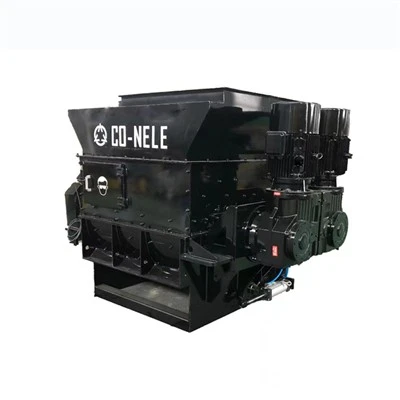
4. Regular Overhauls and System Checks
Monthly/Quarterly Inspections
Structural Integrity: Check the mixer's frame, supports, and mounting bolts for cracks or looseness. Tighten or reinforce as needed.
Belt and Chain Tension: Adjust conveyor belts and drive chains to the recommended tension to prevent slippage or breakage.
Dust Collection System: Clean or replace filters to maintain air quality and prevent dust-related damage to motors and bearings.
Annual Major Overhaul
Comprehensive Inspection: Disassemble key components (e.g., drum, gearbox) to inspect for wear, replace seals and gaskets, and repaint the exterior to protect against corrosion.
Calibration and Testing: Verify the accuracy of weighing systems, temperature controls, and safety interlocks to ensure compliance with operational standards.
5. Corrosion Prevention
Anti-Rust Coatings: Apply corrosion-resistant paint or coatings to exposed metal surfaces, especially in areas prone to moisture (e.g., near water tanks or in humid environments).
Clean After Contact with Chemicals: If the mixer comes into contact with corrosive substances (e.g., de-icing salts), rinse the affected areas immediately.
6. Storage and Winter Maintenance (If Applicable)
Seasonal Shutdown: For long-term storage, drain all fluids (fuel, oil, water), clean the mixer thoroughly, and cover it with a waterproof tarp to protect against dust and moisture.
Anti-Freeze Measures: In cold climates, use anti-freeze agents in cooling systems and ensure no water remains in pipelines to prevent freezing and cracking.
7. Record-Keeping and Professional Support
Maintenance Logs: Track all inspections, repairs, and part replacements to identify trends and schedule proactive maintenance.
Professional Servicing: Engage certified technicians for annual inspections or complex repairs to ensure compliance with manufacturer warranties and safety standards.